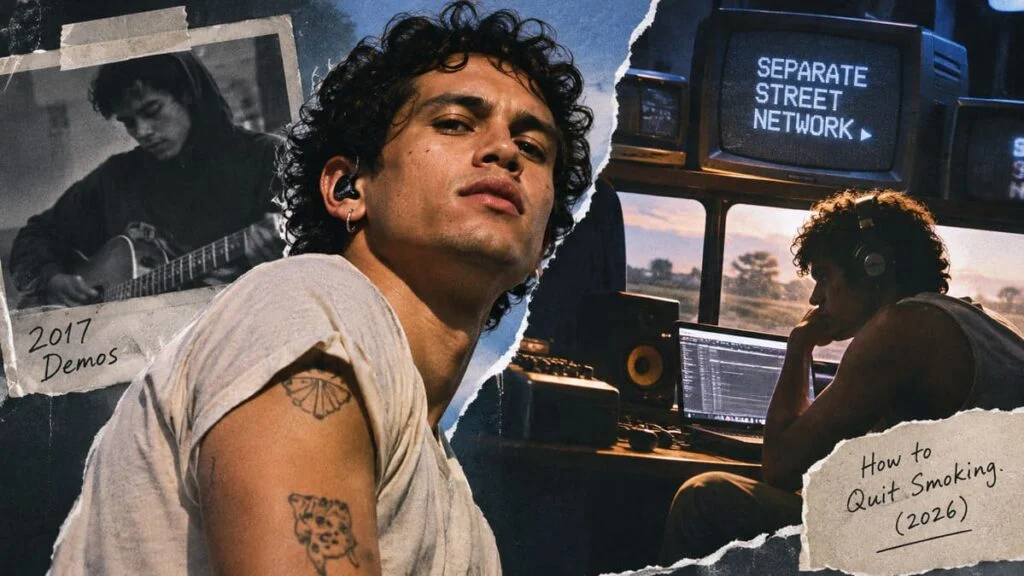

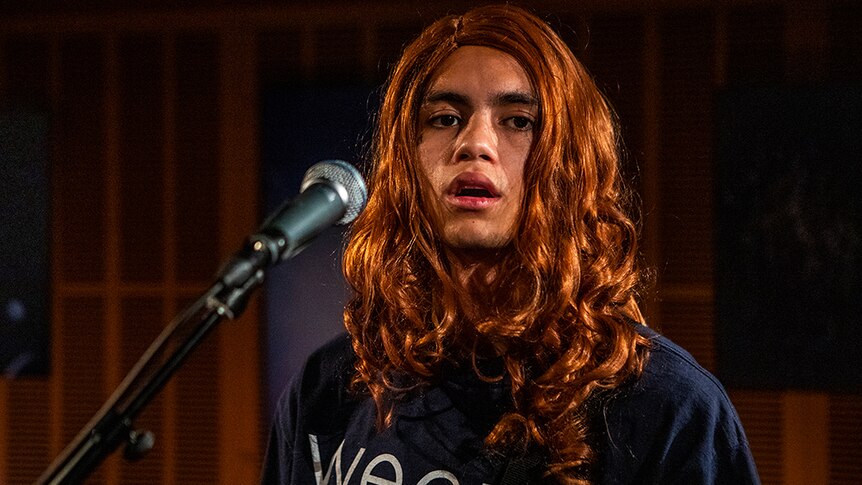
In October 2019, Dominic Fike visited Australian radio station triple j to perform a cover of Clairo’s “Bags.” Wearing a wig and a Weezer T-shirt, he transformed the understated indie-pop song into a guitar-driven performance. It looked like an ordinary stop in a rising musician’s promotional schedule, with a little humour thrown in.
Fike had no idea that someone involved in casting one of television’s biggest dramas would eventually watch it.
The performance helped bring him to the attention of Euphoria casting director Jennifer Venditti, opening an unexpected route into acting. Fike, who had never seriously considered the profession, would eventually become Elliot in the show’s second season.
Seven years after that performance, the situation has acquired an unusual irony. In October 2026, Fike questioned whether his increasingly recognisable public identity might make it more difficult for audiences to accept him as someone else on screen.
His music career had helped make him an actor. Now he was wondering whether its visibility could complicate his ability to act.

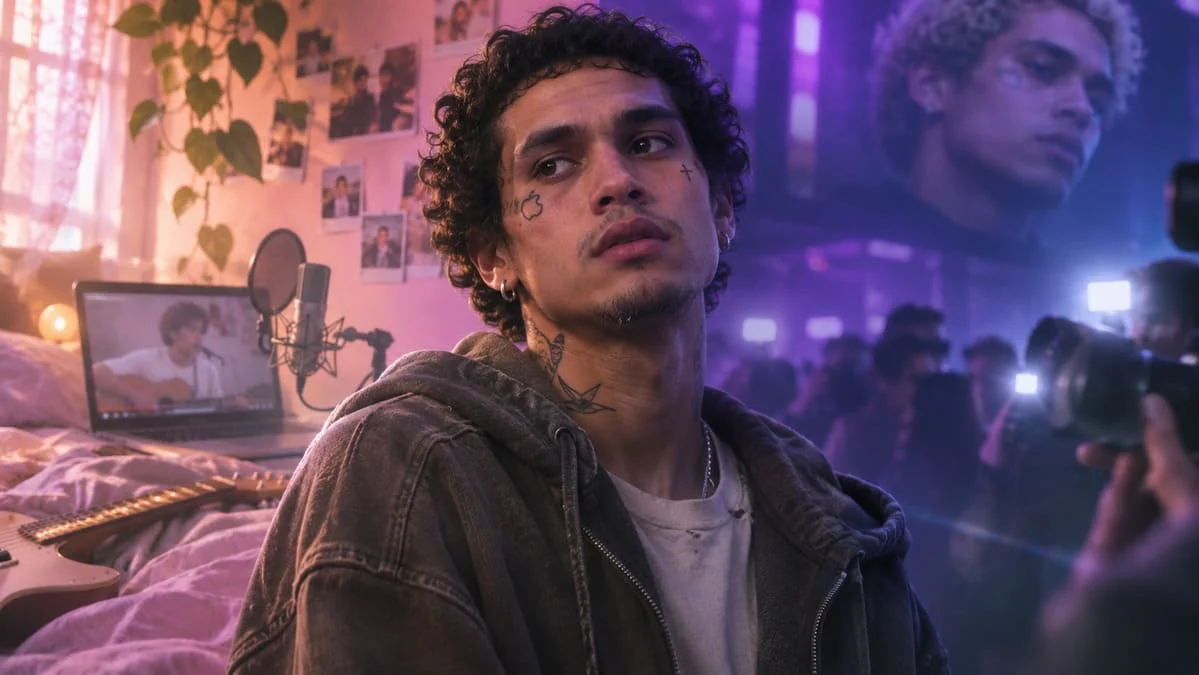
Recorded during his first Australian visit in October 2019, Fike’s playful interpretation of Clairo’s “Bags” would later catch the attention of Euphoria casting director Jennifer Venditti. What began as an ordinary radio-session cover became an unexpected entry point into acting.
A Performance That Was Never Supposed to Be an Audition
Fike recorded his interpretation of “Bags” during his first visit to Australia in 2019. It was part of triple j’s established Like a Version series, where visiting musicians perform their own material alongside covers of other artists’ songs.
The original performance, published on October 18, shows Fike moving between a restrained opening and a more energetic arrangement. His decision to wear a wig wasn’t a calculated attempt to attract casting directors.
Speaking to triple j at the time, he explained that he thought the costume would amuse Clairo, whom he already knew.
There was no film role being promoted, no acting announcement and no apparent reason to regard the session as anything other than a musician interpreting another musician’s work.
The significance of the recording became clear years later.
During a September 2025 appearance on Armchair Expert, Fike told Dax Shepard that he had not previously wanted to pursue acting. According to his recollection, Venditti saw the triple j video and subsequently contacted him about Euphoria.
The person evaluating Fike was seeing a performance, but not one designed to demonstrate conventional acting skills. He was playing guitar, singing, experimenting with another artist’s material and showing a little of his personality.
That distinction matters because the recording revealed something an ordinary audition might not have captured: how Fike behaved while doing work he was already comfortable performing.
It wasn’t simply his growing popularity that attracted attention. A piece of music-related footage had become evidence of his potential in an entirely different medium.
Why Euphoria’s Casting Process Matters
The circumstances fit the broader approach that Euphoria employed when recruiting performers.
In interviews compiled by Backstage, Venditti described searching beyond conventional casting networks, including examining online videos, interviews and people without established acting careers.
She explained that social media popularity wasn’t necessarily what interested her. The team was looking for qualities that might not appear on an actor’s résumé.
That approach had already helped introduce unfamiliar faces to television audiences. Euphoria was unusually willing to consider people whose existing lives and personalities could inform fictional characters.
Fike’s experience demonstrates both the possibilities and complications of that method.
The unexpected invitation didn’t translate into an effortless debut.
During the Armchair Expert conversation, Fike described attending an early audition after a night involving alcohol and psychedelic mushrooms. He arrived late and struggled to complete the reading. According to his recollection, the encounter went badly enough that the casting team expressed serious reservations about working with him.
He later said that creator Sam Levinson contacted him again, having reworked a character with elements of Fike’s real personality in mind. The subsequent opportunity eventually led to his appearance as Elliot.
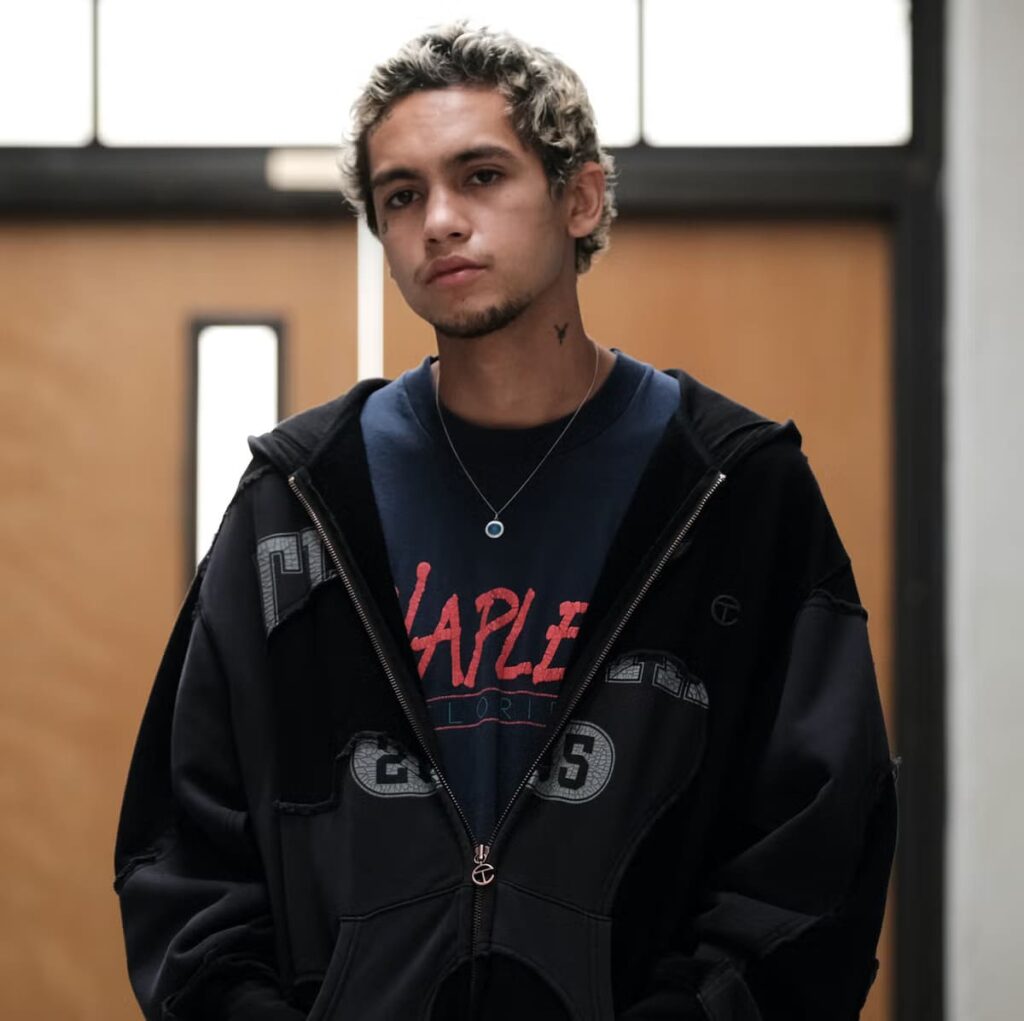
The qualities that made Fike interesting to a casting director were closely connected to the public identity he would later worry might limit his acting opportunities.
The story is often reduced to a colourful anecdote about an unconventional audition. But the larger sequence is more revealing.
A musician was discovered through an ordinary performance, struggled when asked to perform within the formal requirements of an acting audition, and later received a role that drew partly on qualities associated with his actual personality.
The separation between the performer and the person he portrayed was complicated from the beginning.
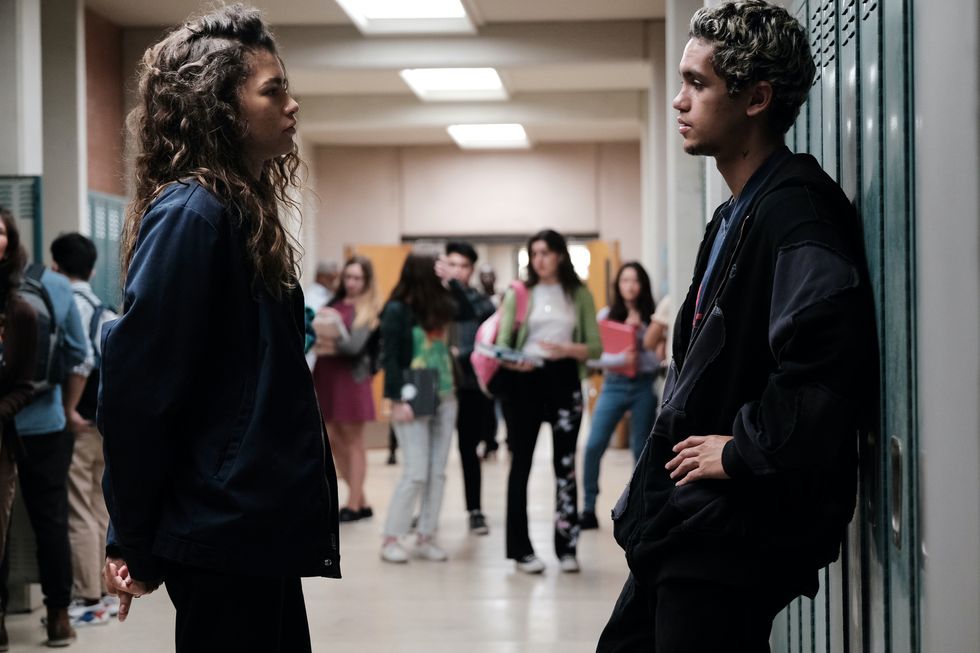
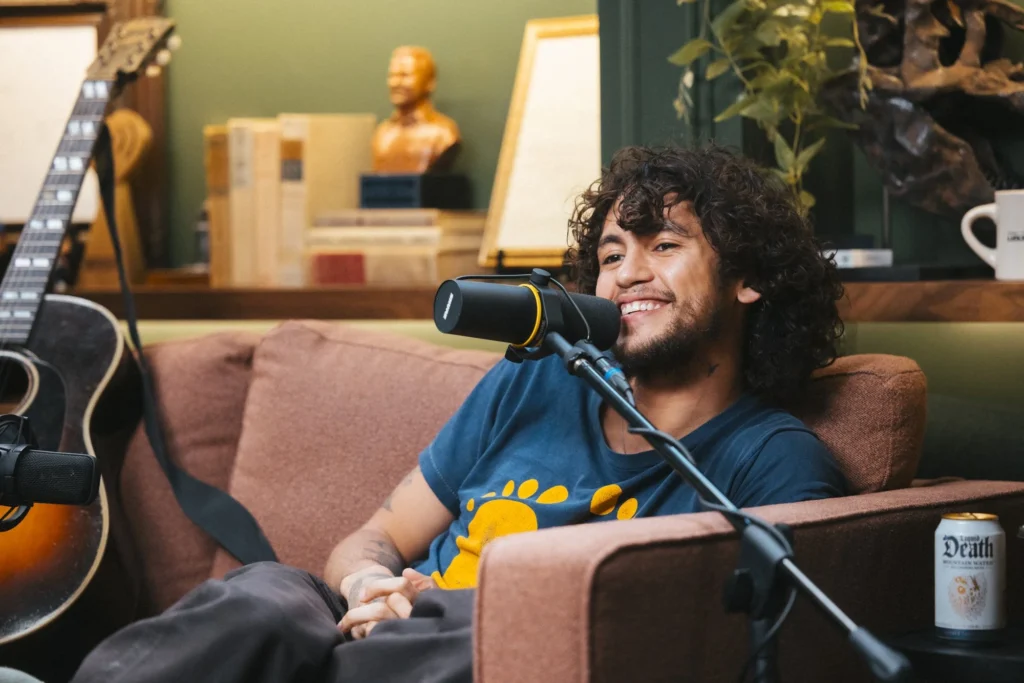
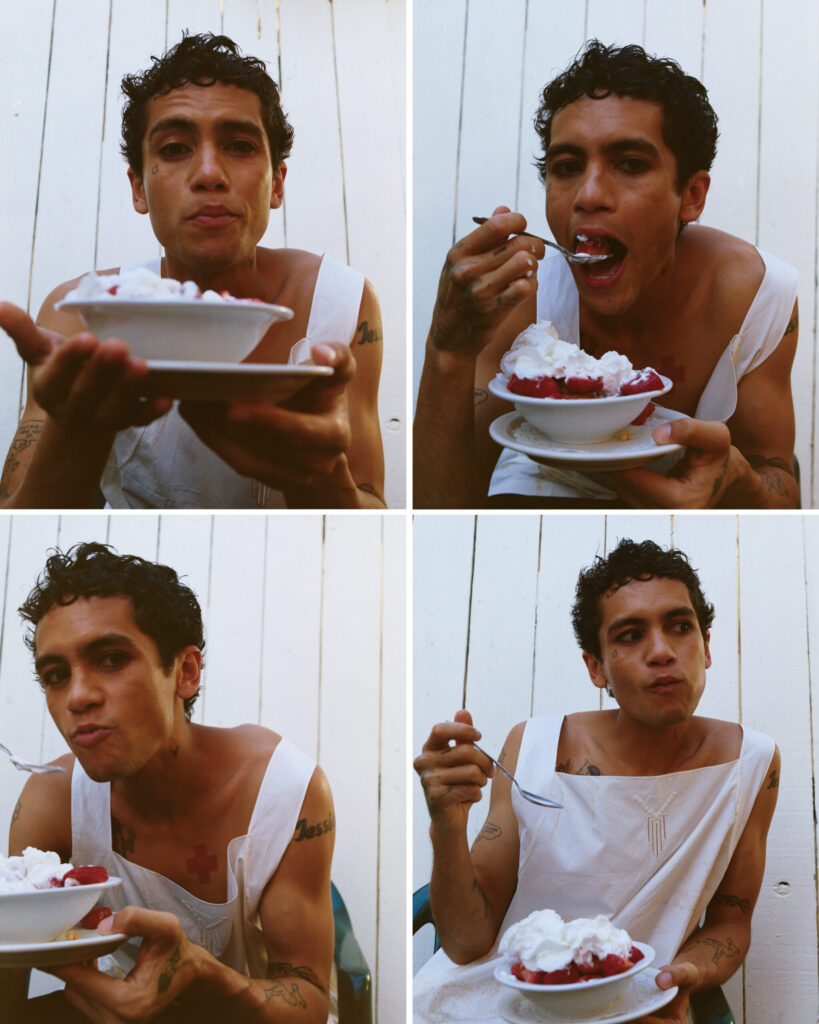
What began as an ordinary music performance became an unexpected acting opportunity. Seven years later, Fike was confronting a reversal: the public identity that helped him enter television might also make it harder to disappear into another character.
The Problem of Becoming Too Familiar
By October 2026, Fike was thinking about his acting prospects differently.
In a conversation with filmmaker Curry Barker for Interview Magazine, he explained that he had been less publicly recognisable before Euphoria. He believed that unfamiliarity had made him more approachable as a potential actor.
He also described a problem with contemporary film promotion. When performers appear constantly in interviews, advertisements and social media posts, he finds it harder to forget those appearances while watching them inhabit fictional worlds.
This isn’t an argument that actors should avoid publicity altogether. Fike was describing his own difficulty separating a heavily promoted public personality from the character appearing on screen.
The distinction becomes particularly complicated because he has no desire to abandon his music career’s visibility.
He told Barker that he wants to remain publicly identifiable through his music, while questioning whether that familiarity could interfere with someone else’s artistic vision when casting a film.
Fike isn’t suggesting that he wants to disappear from public view. He recognises that being visible is an important part of his identity as a musician. His uncertainty comes from wondering whether that same familiarity could make it harder for audiences to accept him as a fictional character. What helps sustain his music career may not always serve his ambitions as an actor.
The irony is difficult to miss.
In 2019, a music performance allowed someone outside the recording industry to imagine Fike in an acting role. His visibility was an advantage precisely because the casting director could see something that interested her.
By 2026, he was considering whether being recognised too readily might create the opposite problem.
A director might see Dominic Fike, the musician, before seeing the fictional character he had been hired to portray.
The same relationship between visibility and opportunity now appeared considerably less straightforward.
When the Person Becomes Part of the Performance
Fike’s experience also complicates the assumption that an artist’s public identity is always something they consciously construct.
The triple j cover wasn’t intended to introduce a new actor. It nevertheless influenced how someone in another industry perceived him.
His subsequent Euphoria role made his face familiar to a much larger audience, and his music continued to circulate alongside his work on screen.
Each exposure created possibilities that Fike could not have fully anticipated when the original performance was recorded.
That doesn’t mean he has lost control of his career, or that his existing fame has prevented him from securing acting opportunities. There is no evidence establishing either conclusion.
What his comments do reveal is an awareness that public familiarity carries different consequences depending on the kind of work he wants to do.
For a musician, recognisability can strengthen the connection between an audience and a song. Listeners may arrive with knowledge of the performer’s experiences and attach those experiences to the music.
For an actor, the same familiarity can sometimes become an obstacle. Audiences are being asked to believe in someone who doesn’t actually exist, often while knowing considerable amounts about the person portraying them.
Fike’s early introduction to acting happened at the intersection of those two experiences. A music performance was evaluated for its potential beyond music, while the role he eventually received incorporated aspects of his actual life.
His later concerns are therefore more specific than a familiar celebrity complaint about receiving too much attention.
He is questioning whether the public identity that helped him enter acting might eventually make the distance between himself and a character harder to maintain.
There is no indication that Fike has resolved that tension. Nor has he suggested that he intends to become an anonymous musician in order to pursue further roles.
But his experience reveals an unusual reversal in the relationship between music, visibility and performance.
The video that helped bring Dominic Fike into acting was never meant to be an audition. Years later, the artist it introduced is considering whether audiences now know him too well to see anyone else.